EN
 SP
 FR

- Home
- About Us
- Products
- Service
- Project
- News
- Contact Us
Pulished on Oct. 10, 2023
Impact of twin wire fence on agricultural soil erosion control
In agriculture, soil erosion is an important issue. In order to effectively control soil erosion, many farmlands have adopted various protective measures, including twin wire fences. Twin wire fence has significant advantages in soil erosion control. This article will explore the impact of twin wire fence on agricultural soil erosion control.

A twin wire fence is a protective device consisting of two mutually twisted iron wires. This kind of fence has good protective properties and can effectively prevent soil erosion. Because its structure is stable and not easily damaged, it can provide long-term protection for farmland. In addition, twin wire fences are relatively cheap to manufacture and install, so they are widely used.

Twin wire fence can effectively control the direction and speed of water flow, thereby reducing water erosion on the soil. By setting twin wire fences around the fields, the lateral spread of water can be prevented and the water can flow in the designated direction, thereby reducing erosion of farmland. At the same time, twin wire fence can also prevent the combined effects of wind erosion and water erosion, effectively protecting farmland.
Twin wire fences can also be combined with plant protection measures such as planting grass strips and trees. These plants can increase the roughness of the surface, further slowing water flow and reducing the occurrence of soil erosion. At the same time, these plants can also increase soil stability and prevent soil erosion. By combining twin wire fence with plant protection measures, farmland can be better protected from the effects of soil erosion.
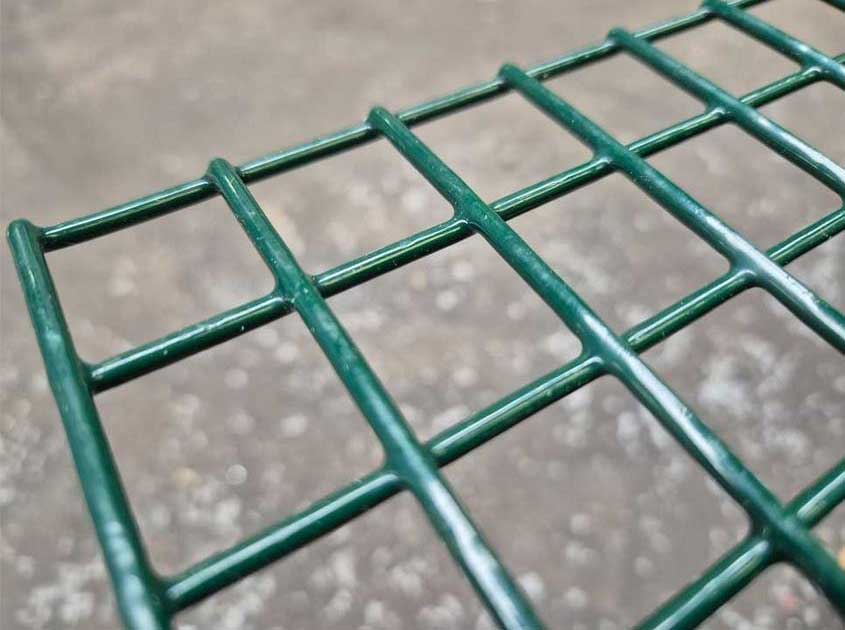
How to Select the Right Wire Diameter for Welded Wire Fence? A Practical Buyer’s Guide
Pulished on Nov. 18, 2026
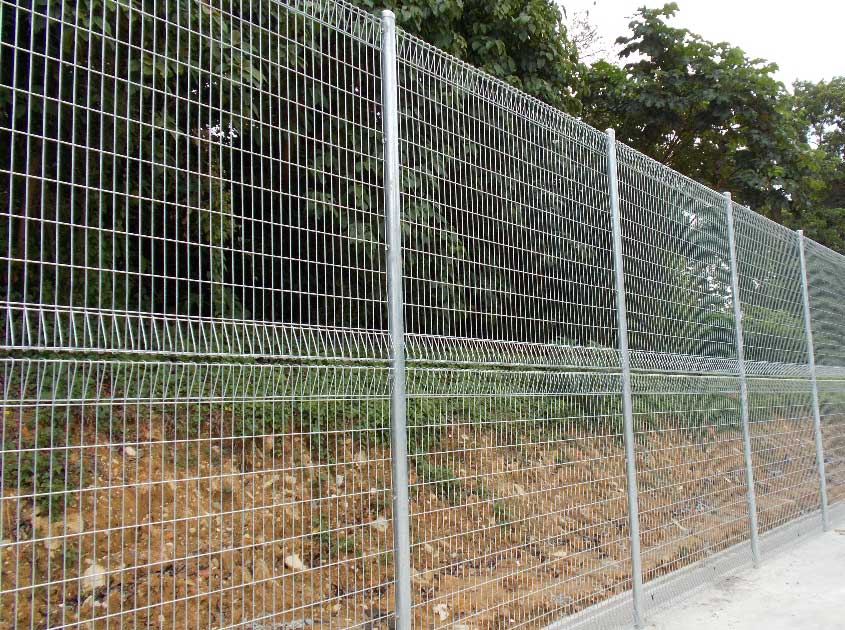
What Mesh Size Is Best for Welded Wire Fence? A Practical Selection Guide
Pulished on Nov. 09, 2026
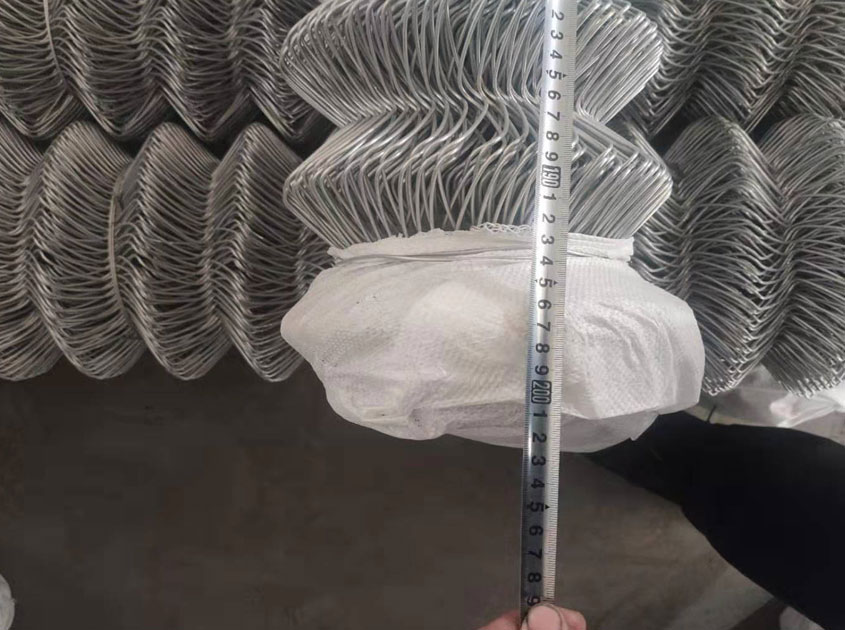
How Much Does Chain Link Fence Cost? A Complete Guide to Material Prices, Shipping and Project Costs
Pulished on Oct. 27, 2026
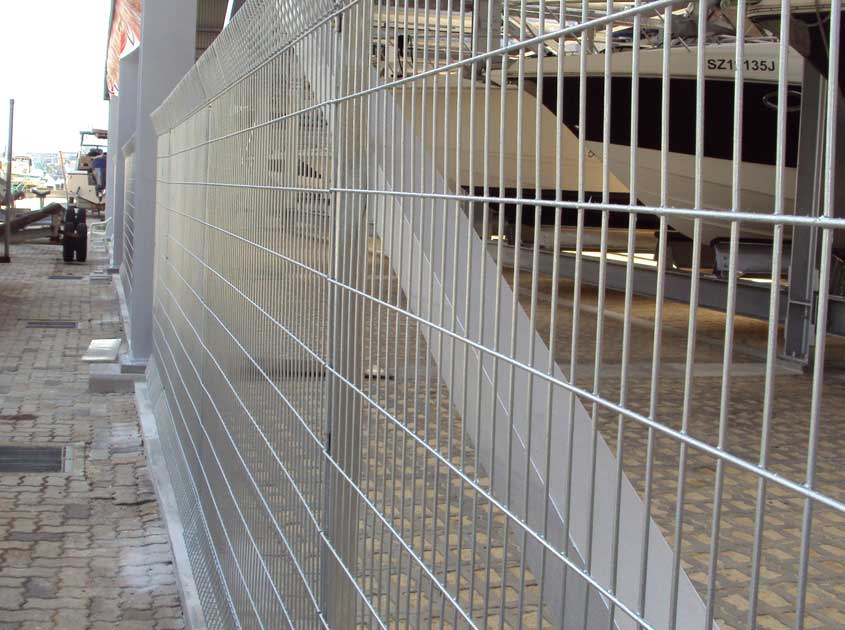
How to Install a Welded Wire Fence: A Step-by-Step Guide for Contractors
Pulished on Oct. 23, 2026
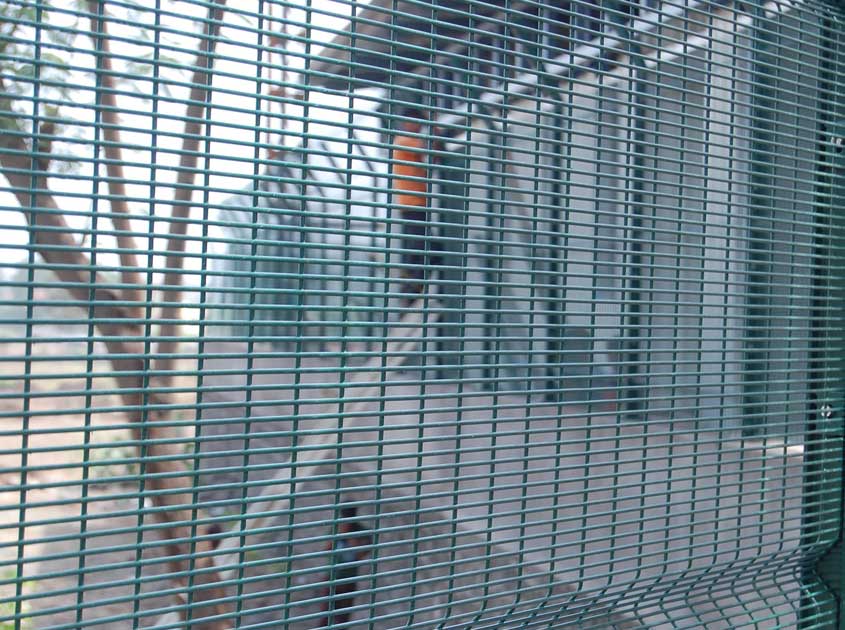
358 Fence vs Welded Wire Fence: Which Is Better for Your Project?
Pulished on Oct. 20, 2026

What Are the Advantages of Chain Link Fence? 8 Benefits for Commercial and Industrial Projects
Pulished on Oct. 16, 2026
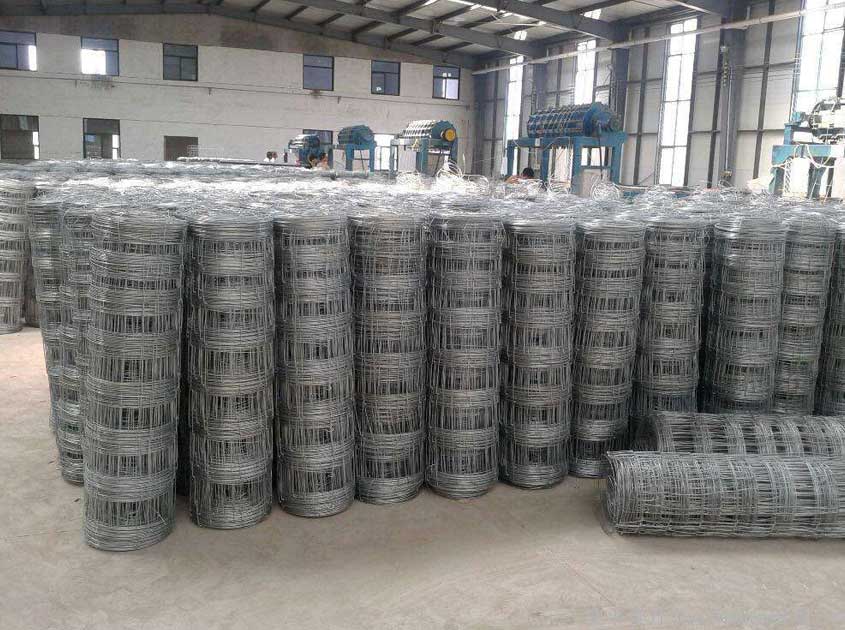
How to Choose Farm Fence for Cattle and Horses: Wire, Height and Design Guide
Pulished on Sep. 23, 2026
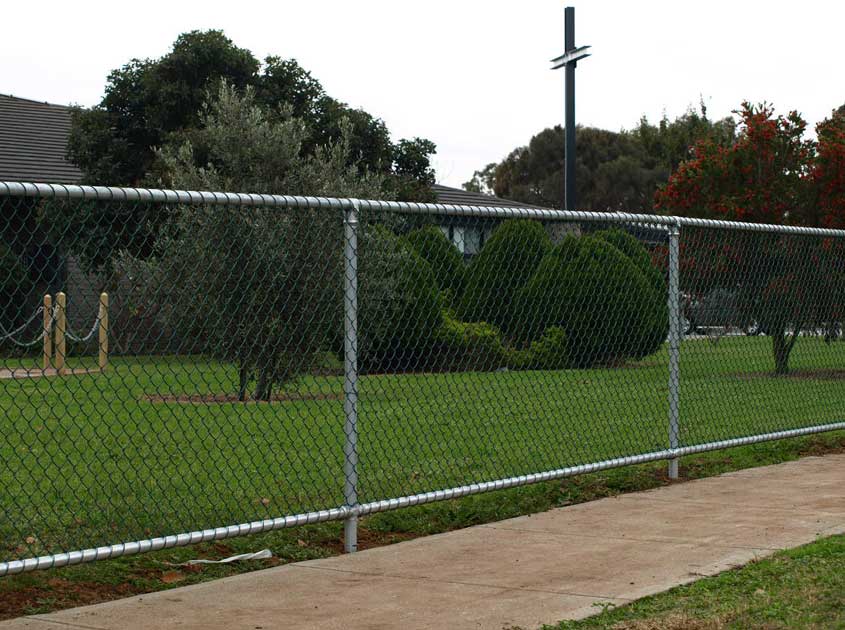
How Is Chain Link Fence Made? Manufacturing Process and Components
Pulished on Sep. 18, 2026
How to Select the Right Wire Diameter for Welded Wire Fence? A Practical Buyer’s Guide
Pulished on Nov. 18, 2026
What Mesh Size Is Best for Welded Wire Fence? A Practical Selection Guide
Pulished on Nov. 09, 2026
How Much Does Chain Link Fence Cost? A Complete Guide to Material Prices, Shipping and Project Costs
Pulished on Oct. 27, 2026
How to Install a Welded Wire Fence: A Step-by-Step Guide for Contractors
Pulished on Oct. 23, 2026
358 Fence vs Welded Wire Fence: Which Is Better for Your Project?
Pulished on Oct. 20, 2026
What Are the Advantages of Chain Link Fence? 8 Benefits for Commercial and Industrial Projects
Pulished on Oct. 16, 2026
How to Choose Farm Fence for Cattle and Horses: Wire, Height and Design Guide
Pulished on Sep. 23, 2026
How Is Chain Link Fence Made? Manufacturing Process and Components
Pulished on Sep. 18, 2026